

What Is Duratia Tablet?
Duratia Tablet is a prescription medicine used to manage premature ejaculation (PE) in adult men. It contains dapoxetine, a short-acting medicine from the selective serotonin reuptake inhibitor (SSRI) group.
Premature ejaculation can make it difficult to control when ejaculation happens during sexual activity. Dapoxetine may help delay ejaculation, improve control and reduce the distress associated with finishing sooner than desired.
Treatment is generally intended for men aged 18 to 64 who have been assessed by a healthcare professional. Duratia should only be used after a doctor has reviewed your symptoms, medical history and other medicines.
This ERXCart guide explains the main uses of Duratia Tablet, how it works and the precautions to consider before treatment.
What Is Duratia Used For?
Duratia is used to treat premature ejaculation. For men with a confirmed diagnosis, dapoxetine may help:
- Increase the time before ejaculation.
- Improve control over ejaculation.
- Reduce distress related to early ejaculation.
- Improve satisfaction during sexual activity.
The response varies from person to person. Duratia does not permanently cure premature ejaculation, and it does not guarantee a particular increase in ejaculation time.
It is also not a treatment for erectile dysfunction. If you have difficulty getting or maintaining an erection, discuss this separately with your doctor.
How Does Duratia Tablet Work?
Dapoxetine works by blocking the reuptake of serotonin, a chemical messenger involved in the nervous system’s control of ejaculation. This increases serotonin activity and can help delay the ejaculation reflex.
Although dapoxetine belongs to the SSRI family, it is used differently from many antidepressants. Its relatively short action makes it suitable for on-demand treatment of premature ejaculation. It should not be used to self-treat depression.
Duratia Dosage and Administration
Take Duratia exactly as prescribed. Your doctor will choose a suitable dose based on your health, response to treatment and tolerance.
Usual Starting Dose
The usual starting dose of dapoxetine is 30 mg, taken when needed, approximately 1 to 3 hours before sexual activity.
If this dose does not provide enough benefit and is well tolerated, a doctor may consider increasing it to 60 mg. Treatment should not begin with the higher dose.
Do not take more than one prescribed dose within 24 hours. Dapoxetine is not intended for continuous daily use.
How to Take the Tablet
- Swallow the tablet whole with a full glass of water.
- Take it with or without food.
- Avoid crushing or chewing the tablet.
- Do not increase the dose yourself.
- Avoid alcohol during treatment.
Taking an extra tablet because the first dose seems ineffective can increase the risk of side effects, including fainting.
How Long Should You Use Duratia?
The length of treatment depends on how well the medicine works and whether you experience side effects. Your doctor should review your progress and decide whether continued treatment is appropriate.
Do not follow a fixed daily schedule or expect a guaranteed increase in ejaculation time. Some men notice a useful improvement, while others may need a different approach to managing premature ejaculation.
If symptoms continue despite treatment, speak with your doctor instead of taking a stronger dose or using the medicine more frequently.
Duratia Strengths: What Should You Know?
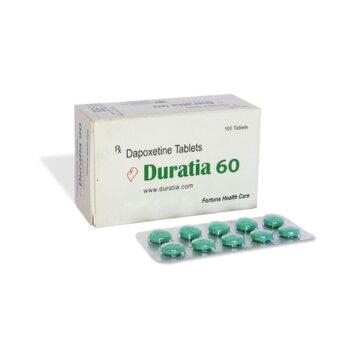
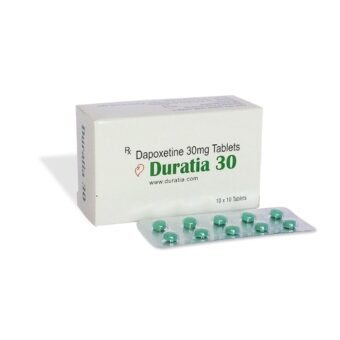
The standard dapoxetine doses used in prescribing guidance are 30 mg and 60 mg.
- 30 mg: The usual starting dose.
- 60 mg: A higher dose that may be considered by a doctor when appropriate.
Some product listings mention Duratia 90 mg. However, 90 mg exceeds the standard maximum recommended dapoxetine dose of 60 mg and should not be presented as a routine dosing option.
Always check the strength printed on the pack against your prescription. Tablet colour or size should not be used as the only way to identify a medicine.
Possible Side Effects of Duratia
Not everyone experiences side effects, but dapoxetine can cause:
- Nausea.
- Headache.
- Dizziness or lightheadedness.
- Diarrhoea.
- Dry mouth.
- Increased sweating.
- Tiredness or sleepiness.
- Difficulty sleeping.
Other reported effects include blurred vision, ringing in the ears and reduced sexual desire. Tell your doctor if symptoms persist, become troublesome or affect your daily activities.
When to Seek Medical Help
Dapoxetine can cause fainting. If you feel faint, dizzy or lightheaded, lie down or sit with your head between your knees until the symptoms pass.
Seek urgent medical attention for fainting, seizures, a severe allergic reaction, or serious changes in mood or behaviour. Do not take another dose until you have received appropriate medical advice.
Safety Precautions Before Taking Duratia
Heart Conditions and Fainting
Tell your doctor about heart disease, an irregular heartbeat or any history of fainting. Dapoxetine may be unsuitable for people with significant heart conditions or previous episodes of syncope.
Liver and Kidney Problems
Dapoxetine should not be used in people with moderate or severe liver impairment. Kidney problems also require medical assessment before treatment; suitability depends on their severity.
Mental Health History
Tell your doctor if you have experienced mania, bipolar disorder, severe depression or another mental health condition. These conditions and their treatments can affect whether dapoxetine is appropriate.
Alcohol
Avoid alcohol while taking Duratia. Combining the two can increase dizziness, drowsiness, impaired judgement and the risk of fainting or injury.
Driving and Machinery
Do not drive or operate machinery if you experience dizziness, blurred vision, sleepiness or difficulty concentrating.
Women and Children
Duratia is not intended for women or anyone under 18. It should not be shared with another person, even if their symptoms seem similar.
Medicines That May Interact With Duratia
Tell your doctor about all prescription medicines, over-the-counter products and herbal supplements you use.
Dapoxetine can interact with antidepressants and other medicines that affect serotonin. Certain combinations must be avoided, and a waiting period may be necessary when switching treatments.
Medicines requiring particular attention include:
- SSRIs, SNRIs and monoamine oxidase inhibitors.
- Lithium and tramadol.
- Ketoconazole and some other antifungal medicines.
- Ritonavir and certain other HIV medicines.
- Fluconazole and erythromycin.
- Verapamil.
- Warfarin and other medicines that affect bleeding.
These interactions do not all carry the same restrictions. Some combinations are contraindicated, while others require dose limits, monitoring or an alternative treatment.
Also tell your doctor if you use erectile dysfunction medicines or blood pressure medicines. Do not combine these with Duratia without medical advice, and do not stop an existing prescription yourself.
Frequently Asked Questions
When should I take Duratia Tablet?
Dapoxetine is generally taken 1 to 3 hours before sexual activity, according to your prescription. Swallow the tablet whole with a full glass of water.
Can I take Duratia every day?
Dapoxetine is intended for use when needed, rather than continuous daily treatment. Never take more than one prescribed dose within 24 hours.
Does Duratia permanently cure premature ejaculation?
No. It may help manage symptoms while being used, but it does not provide a guaranteed permanent cure.
Can Duratia treat erectile dysfunction?
No. Duratia is used for premature ejaculation and does not directly treat problems with getting or maintaining an erection.
How long does Duratia work?
The response and duration of benefit vary. The recommended timing is 1 to 3 hours before sexual activity, but this does not guarantee a fixed duration of effect.
Do I need medical advice before using Duratia?
Yes. A healthcare professional should confirm the diagnosis and check whether dapoxetine is suitable for you before treatment begins.
Can I drink alcohol while taking Duratia?
No. Avoid alcohol because it can increase dizziness, drowsiness and fainting risk.
Can I increase the dose if 30 mg does not help?
Do not increase it yourself. Your doctor may consider 60 mg after reviewing the benefit and side effects of the starting dose.

Reviews
There are no reviews yet.